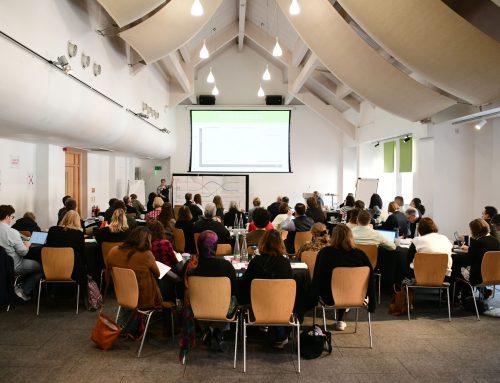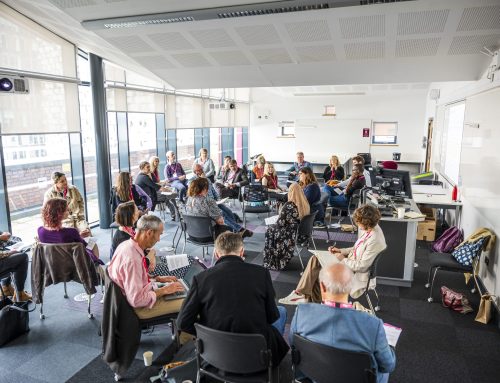

In many instances, community voices with the most to offer especially in terms of lived experiences and local knowledge are least likely to be heard. Therefore, inclusion as a practice should begin with listening. Community listening goes beyond gathering opinions, it creates spaces where voices often overlooked can be genuinely heard. By actively listening, civic initiatives can identify barriers, understand lived experiences, and co-design solutions that reflect real community needs.
Reverse volunteering on the other hand describes a two-way model where staff of HE institutions volunteer their time and expertise, drawing on organisational resources to support underserved community groups, offering structured guidance and connection in relevant areas. At the same time, members of these undeserved groups also voluntarily giving their time to engage with and learn from the programme, bringing their lived experiences, insights, and expertise to further enrich the learning space.
Two Pilots: Distinct Paths, Shared Purpose
In our journey toward genuine inclusion and meaningful civic impact, at Anglia Ruskin University, we have launched two NCIA funded pilots, each with its own unique approach of combining community listening and reverse volunteering but with a shared civic purpose. Working with community partners Home – Abbey People, our first pilot focused on supporting individuals in the Cambridge area who have experienced long-term unemployment and preparing them to go back into the workforce, while our second pilot focused on providing requalification guidance and building a community of practice for highly skilled medics from refugee backgrounds, and this was done in collaboration with Local Government East, Breaking Barriers, Chelmsford City Council and RefuAid.
Although these pilots were distinct in terms of the community groups involved and the challenges they face, they both heavily focused on building pathways to inclusion. Together, these pilots provide valuable insights into how listening can create more inclusive, effective civic outcomes.

Community Listening diagram taken from the Partners in Practice Community Toolkit
Valuable Insights
These two pilots revealed key insights, such as:
- It is easy for civic infrastructure to overlook highly experienced groups facing systemic exclusion.
- Programmes rooted in relational design have great potential to achieve deep engagement and meaningful impact.
- Constant dialogue and listening allows programmes to adapt in real time.
- Listening builds trust and trust builds confidence.
- Tailoring Civic opportunities to fit unique needs and circumstances enhances empowerment.
From Projects to Practice
What began as two NCIA-funded pilots has already generated a Community Toolkit designed to help others build on this learning. The toolkit serves three purposes:
- Guidance for universities, civic institutions and large employers on how to engage and partner with community organisations to create civic impact locally.
- Guidance for community organisations on how to approach and work with universities, public sector bodies, and education providers to co-design projects rooted in community needs.
- Evaluation tools and techniques to capture short-term outcomes, relational benefits and long-term impact.
A Civic Call Forward
The lesson is simple and profound: When we listen first, we uncover pressing needs and assets. When we design civic projects for equity, we widen participation and re-shape civic life to be more inclusive and resilient, fostering a healthier and more collaborative environment for everyone.
For universities and civic partners, the challenge now is to take what we have learned and grow it. It is time to begin to actively weave community listening into research, teaching and everyday civic practice. This means sharing power with the community, it means continuing to ask the question “who is not yet in the room and how do we make space for them”.
In many instances, community voices with the most to offer especially in terms of lived experiences and local knowledge are least likely to be heard. Therefore, inclusion as a practice should begin with listening. Community listening goes beyond gathering opinions, it creates spaces where voices often overlooked can be genuinely heard. By actively listening, civic initiatives can identify barriers, understand lived experiences, and co-design solutions that reflect real community needs.
Reverse volunteering on the other hand describes a two-way model where staff of HE institutions volunteer their time and expertise, drawing on organisational resources to support underserved community groups, offering structured guidance and connection in relevant areas. At the same time, members of these undeserved groups also voluntarily giving their time to engage with and learn from the programme, bringing their lived experiences, insights, and expertise to further enrich the learning space.
Two Pilots: Distinct Paths, Shared Purpose
In our journey toward genuine inclusion and meaningful civic impact, at Anglia Ruskin University, we have launched two NCIA funded pilots, each with its own unique approach of combining community listening and reverse volunteering but with a shared civic purpose. Working with community partners Home – Abbey People, our first pilot focused on supporting individuals in the Cambridge area who have experienced long-term unemployment and preparing them to go back into the workforce, while our second pilot focused on providing requalification guidance and building a community of practice for highly skilled medics from refugee backgrounds, and this was done in collaboration with Local Government East, Breaking Barriers, Chelmsford City Council and RefuAid.
Although these pilots were distinct in terms of the community groups involved and the challenges they face, they both heavily focused on building pathways to inclusion. Together, these pilots provide valuable insights into how listening can create more inclusive, effective civic outcomes.
Community Listening diagram taken from the Partners in Practice Community Toolkit
Valuable Insights
These two pilots revealed key insights, such as:
- It is easy for civic infrastructure to overlook highly experienced groups facing systemic exclusion.
- Programmes rooted in relational design have great potential to achieve deep engagement and meaningful impact.
- Constant dialogue and listening allows programmes to adapt in real time.
- Listening builds trust and trust builds confidence.
- Tailoring Civic opportunities to fit unique needs and circumstances enhances empowerment.
From Projects to Practice
What began as two NCIA-funded pilots has already generated a Community Toolkit designed to help others build on this learning. The toolkit serves three purposes:
- Guidance for universities, civic institutions and large employers on how to engage and partner with community organisations to create civic impact locally.
- Guidance for community organisations on how to approach and work with universities, public sector bodies, and education providers to co-design projects rooted in community needs.
- Evaluation tools and techniques to capture short-term outcomes, relational benefits and long-term impact.
A Civic Call Forward
The lesson is simple and profound: When we listen first, we uncover pressing needs and assets. When we design civic projects for equity, we widen participation and re-shape civic life to be more inclusive and resilient, fostering a healthier and more collaborative environment for everyone.
For universities and civic partners, the challenge now is to take what we have learned and grow it. It is time to begin to actively weave community listening into research, teaching and everyday civic practice. This means sharing power with the community, it means continuing to ask the question “who is not yet in the room and how do we make space for them”.