



From Connection to Collaboration
At the heart of civic work lies the practice of partnering with others who share responsibility for a community’s future.
This section of the Field Guide asks: what does it take to move partnerships from intention to action, from connection to collaboration?
Here, we examine the qualities that shape truly place‑based partnerships and the conditions that help them flourish.
Field Notes at a Glance
Distilled wisdom to guide your path across the terrain.




Foundational Waypoints
By stepping back and seeing evidence in the round, new insights emerge from the clouds.
Think of these waypoints as signposts, not instructions. They capture shared learning and practical insights to help you navigate your civic journey with confidence, at your own pace and from your own place.



Supporting Waypoints
Complementary insights that extend your understanding across the interconnected terrains of civic engagement.
These waypoints offer fresh perspectives to deepen and broaden your civic practice. They’re here to complement your journey, giving you the space to explore connections, draw parallels, and engage with ideas that fit your own context.




Coming Soon Download
Take the Civic Field Guide with you!
A downloadable version of the guide is coming soon, designed for you to keep, refer to and share with colleagues.
Whether you’re navigating new partnerships or refining existing ones, this portable edition will help you chart your civic journey with ease.


Expedition Debrief
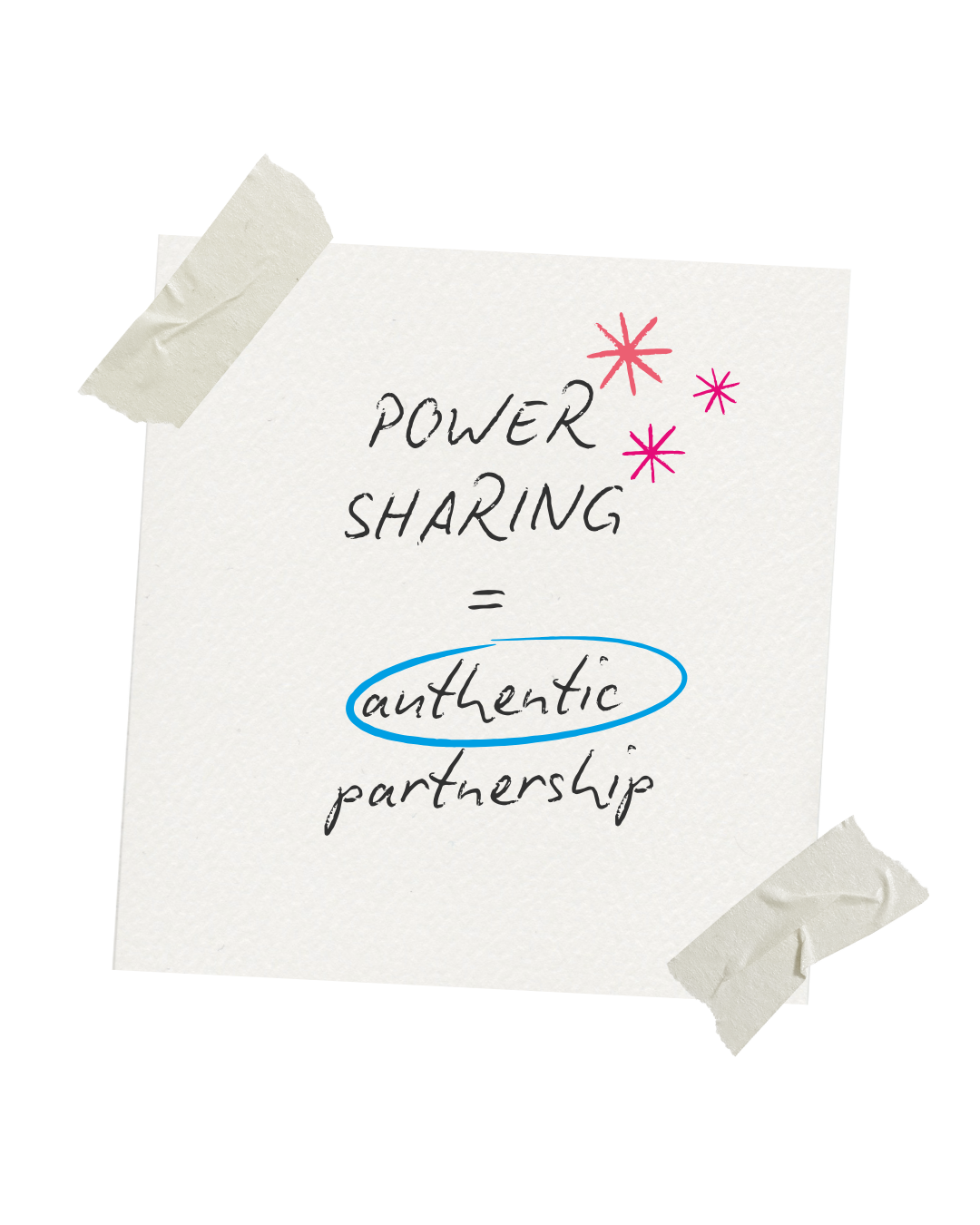
Strategic partnership development requires universities to function as genuine collaborative partners rather than presumed leaders, contributing their unique assets whilst fully respecting and amplifying the expertise, priorities, and leadership of other collaborators in their place.
Universities excel in partnerships when they combine their research capabilities, analytical expertise, student energy, and convening power with the practical knowledge and community connections of local organisations, creating innovative spaces where multi-perspective dialogue generates creative solutions to complex, interconnected problems. This collaborative model transcends traditional sectoral boundaries, enabling transformational impact through coordinated collective action.

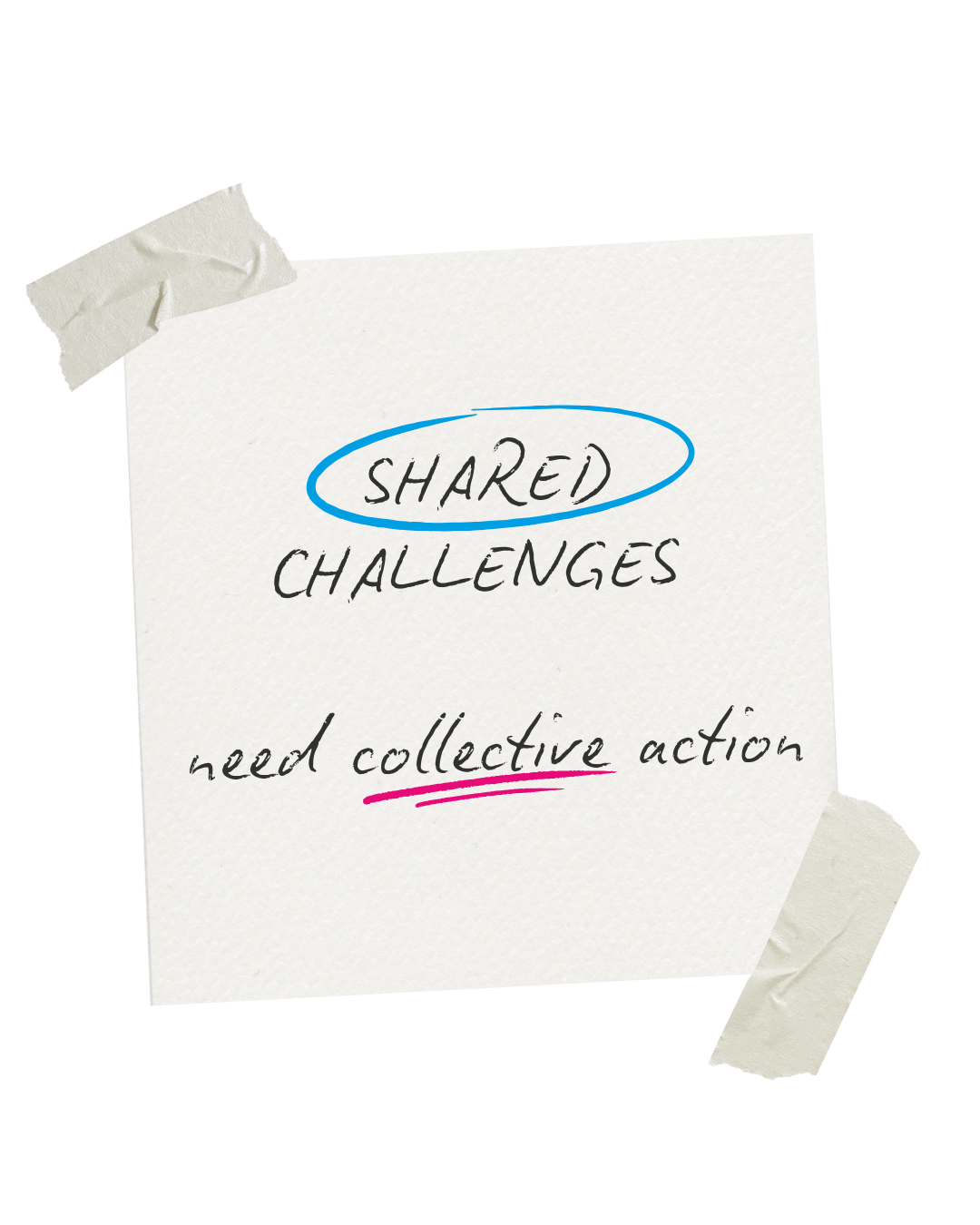
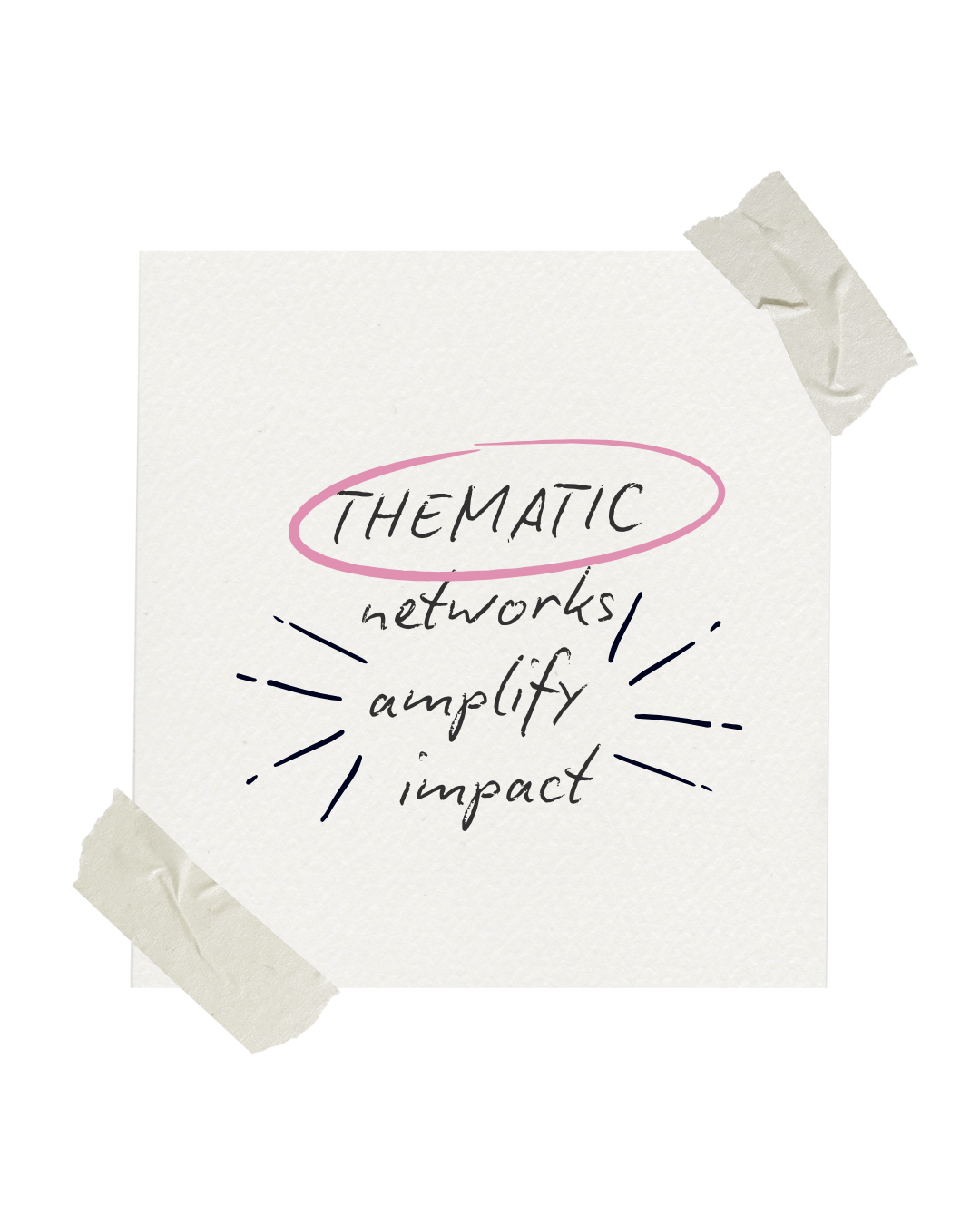
Effective partnership coordination demands universities to systematically map and understand thematic opportunities that bring together a range of civic actors around specific shared challenges.
These focused collaborations create lasting infrastructure for ongoing partnership that outlasts individual projects, building sustainable networks capable of addressing complex community challenges through combined organisational strengths.
Universities serve as crucial connectors and coordinators whilst ensuring that partnership leadership reflects genuine community priorities and local expertise.

The Partnership terrain emphasises that universities must develop comprehensive approaches to cultivating equitable place-based partnerships that honour diverse expertise and share power genuinely across different community contexts and priorities.
This requires investment in understanding local partnership landscapes, building authentic relationships with diverse stakeholders, and learning how university contributions can enhance rather than duplicate existing community assets and initiatives. Authentic partnerships emerge when universities position themselves strategically within local collaborative ecosystems whilst maintaining clear focus on community-led priorities.
Successful partnership work requires universities to recognise that equitable collaboration generates lasting benefit for all partners whilst strengthening overall community capacity and resilience through sustained commitment to mutual benefit. This involves creating partnership structures that distribute decision-making power, resources, and recognition fairly whilst maintaining long-term commitments that transcend individual funding cycles or project timelines.
Partnership success emerges when collaborative relationships create genuine added value for all participants while addressing community-identified priorities through coordinated collective action.
Essential Equipment
Like a compass and a map, you need the right tools to set you on the right path.
Our essential equipment will help you plan a route and weather any storms along the way.

Equitable Partnerships for Civic Engagement
Discover Queen Mary University of London's toolkit for equitable partnerships in civic engagement, fostering collaboration between universities, communities, and civic partners.

A Theory of Civic Change
This Theory of Civic Change offers universities a roadmap to becoming truly civic institutions, addressing local needs and fostering positive change in their communities.

Contributing to Place
This collection of four evidence reviews examines the multifaceted impact of universities on their local places, from improving public health to driving economic development. The reports provide a comprehensive overview of universities' civic role.
Explore Other Terrains
Select a terrain to uncover guidance, case studies, and tools for leading impactful civic work.
Place
The landscapes you traverse.

Purpose
Your North Star.
Process
The routes and rhythms.
Practice
The hands on equipment.

Policy
The navigational rules.

People
Your expedition crew.
Partnerships
The alliances you forge and strengthen along the trail.