


Organisational culture for community good
Discover approaches to comprehensive civic management that map activities across themes and enable continuous institutional improvement
This section of the Field Guide asks: What does being a 'civic university' mean for the ways that universities organise and govern themselves?
Here, we examine how universities develop the mechanisms and organisational culture and capacity to deliver for their places and communities.
Field Notes at a Glance
Distilled wisdom to guide your path across the terrain.



Foundational Waypoints
By stepping back and seeing evidence in the round, new insights emerge from the clouds.
Think of these waypoints as signposts, not instructions. They capture shared learning and practical insights to help you navigate your civic journey with confidence, at your own pace and from your own place.

 This blog and accompanying report set out how universities can use mapping techniques and robust metrics to articulate economic impact across their full civic spectrum.
 This practical framework helps universities implement systematic mapping of their civic activity, ensuring that initiatives are coordinated and strategically aligned for collective benefit.
 This resource provides universities with a comprehensive, strategic approach for mapping and coordinating civic themes and activities.
 "Reimagining the relationship between universities and the NHS" explores how universities and health systems can act together as place-based anchor institutions, providing a powerful example of mapping and coordinating civic activity across a complex ecosystem.
 This research by Femi Owolade at Sheffield Hallam University's Centre for Regional Economic and Social Research investigates the driving forces behind race equality initiatives across UK higher education institutions, providing crucial evidence for developing systematic civic approaches.
 The Civic Impact Framework provides universities with structured approaches for systematic learning and continuous improvement across civic engagement. Developed through iterative conversations with university leaders, the framework identifies seven domains of civic commitment and six phases of progress, explicitly recognising learning as a cyclical process where insights inform further development.
 The Civic Impact Dashboard prototype represents a significant step forward in enabling systematic, evidence-based civic learning within higher education.
Supporting Waypoints
Complementary insights that extend your understanding across the interconnected terrains of civic engagement.
These waypoints offer fresh perspectives to deepen and broaden your civic practice. They're here to complement your journey, giving you the space to explore connections, draw parallels, and engage with ideas that fit your own context.






Coming Soon Download
Take the Civic Field Guide with you!
A downloadable version of the guide is coming soon, designed for you to keep, refer to and share with colleagues.
Whether you're navigating new partnerships or refining existing ones, this portable edition will help you chart your civic journey with ease.


Expedition Debrief
Universities can significantly benefit from developing institutional knowledge systems that capture civic engagement happening across all departments, faculties, and service areas whilst maintaining strategic oversight capable of identifying synergies, avoiding duplication, and coordinating efforts for enhanced collective benefit.
 This mapping activity enables identification of gaps where university capabilities could address unmet community needs alongside recognition of areas where multiple university activities could collaborate more effectively, ensuring institutional coordination responds dynamically to changing community needs whilst building upon existing strengths.
Universities should create systematic learning approaches that balance openness to external insights and best practices with careful attention to local context, community wisdom, and partner expertise, ensuring that civic improvements remain grounded in both rigorous evidence and authentic community experience.
 This evidence-based approach enables institutions to avoid 'reinventing the wheel' whilst being able to build on civic innovations and develop an increasingly sophisticated understanding of effective civic practice across diverse community contexts.
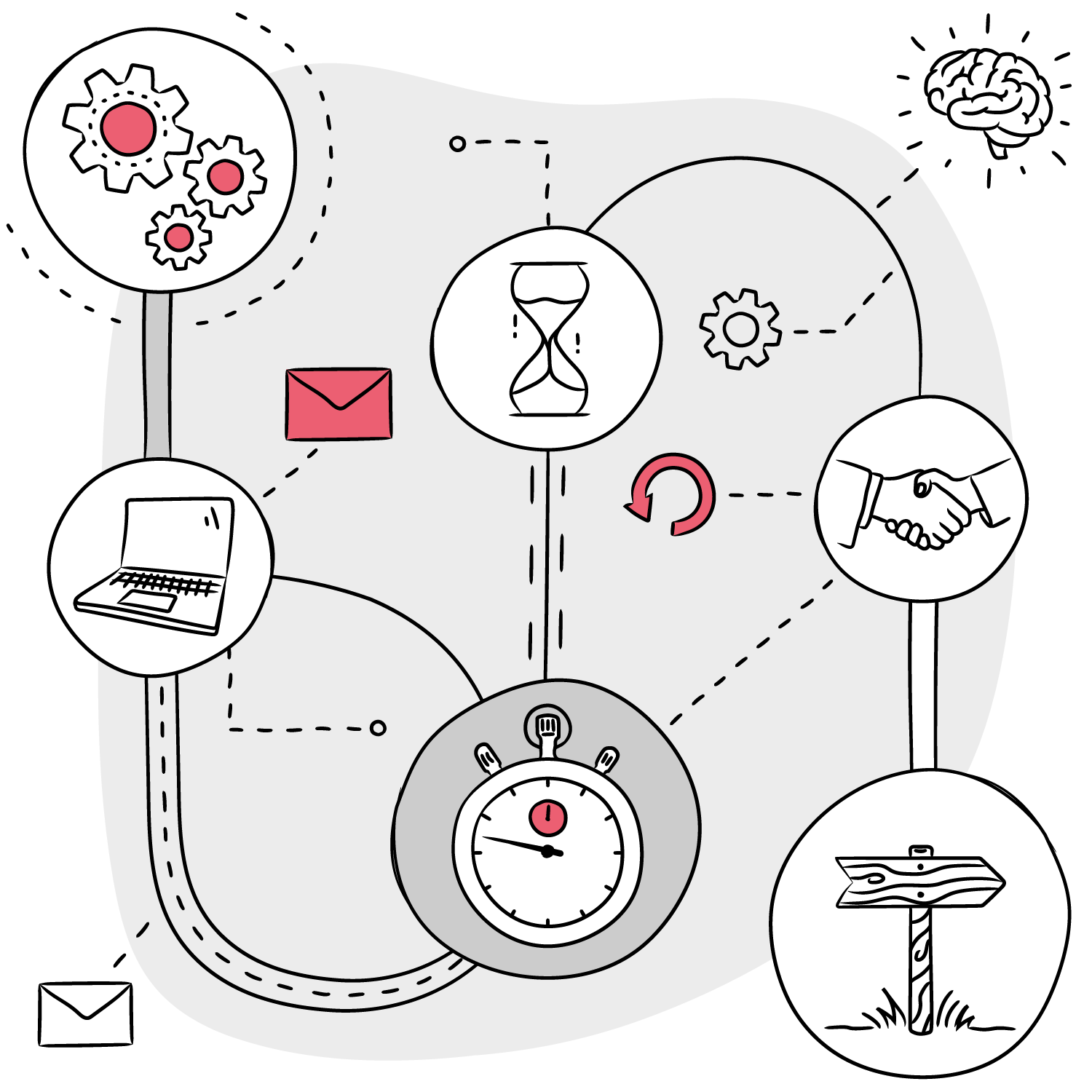
The Process terrain emphasises that civic organisational culture requires ongoing attention to emerging community priorities and opportunities, ensuring that institutional coordination captures civic engagement spanning all institutional domains whilst maintaining strategic focus on community-identified needs and partnership priorities.
This approach involves developing institutional systems capable of documenting, analysing, and improving civic work across multiple themes, creating infrastructure for sustained civic excellence that transcends individual projects or staff changes.
Systematic civic learning involves establishing infrastructure that documents valuable insights from both successful initiatives and implementation challenges, creating a more permanent organisational memory that enables continuous improvement whilst avoiding common pitfalls by understanding what approaches achieve better outcomes in different community contexts.
This learning process requires active engagement with broader research on civic engagement whilst remaining highly attentive to local learning opportunities, community feedback, and partner insights that inform increasingly effective civic strategy development.
Essential Equipment
Like a compass and a map, you need the right tools to set you on the right path.
Our essential equipment will help you plan a route and weather any storms along the way.

The Civic Impact Framework
The Civic Impact Framework supports universities in evaluating and enhancing their civic roles. Use it as a structured tool for strategic reflection, mapping activities, and planning meaningful community impact across seven key domains.

Guide to Developing a Civic University Agreement
A practical guide for universities on how to create a Civic University Agreement, including why to do it, how to develop it with partners, and how to deliver and monitor impact in your city or region.

A Theory of Civic Change
This Theory of Civic Change offers universities a roadmap to becoming truly civic institutions, addressing local needs and fostering positive change in their communities.
Explore Other Terrains
Select a terrain to uncover guidance, case studies, and tools for leading impactful civic work.
Place
The landscapes you traverse.

Purpose
Your North Star.
Process
The routes and rhythms.

Practice
The hands on equipment.

Policy
The navigational rules.

People
Your expedition crew.

Partnerships
The alliances you forge and strengthen along the trail.