




Where mission meet place
How do civic universities create pathways to public benefit through their core mission?
This section of the Field Guide asks: how do universities negotiate, describe, activate, and evaluate the value they create though their civic activity, and frame their purposes for civic work?
Here, we examine the the foundations that civic universities build to deliver for their places and communities.
Field Notes at a Glance
Distilled wisdom to guide your path across the terrain.



Foundational Waypoints
By stepping back and seeing evidence in the round, new insights emerge from the clouds.
Think of these waypoints as signposts, not instructions. They capture shared learning and practical insights to help you navigate your civic journey with confidence, at your own pace and from your own place.


 We showcase numerous examples of universities leveraging their international research networks, global student populations, and worldwide partnerships to bring cutting-edge solutions into local contexts whilst simultaneously sharing locally-developed innovations with national and international audiences. You'll find practical case studies illustrating how place-responsive approaches enable universities to function as crucial connectors between global knowledge networks and local community assets.
 It distils insights from three roundtables with government, universities and civic partners, outlining how current funding, regulation and accountability arrangements often undervalue local civic engagement even as they call for universities to support national priorities. The document foregrounds universities' distinctive role as locally rooted, neutral conveners able to connect community assets with national and global knowledge, and shows how this civic infrastructure remains fragile without coherent policy support.
 The Civic University Commission Final Report provides essential guidance on developing coherent civic strategies that integrate global, national, and local activities. This landmark document challenges universities to move beyond treating civic engagement as peripheral activity and instead position it as central to institutional mission.
Supporting Waypoints
Complementary insights that extend your understanding across the interconnected terrains of civic engagement.
These waypoints offer fresh perspectives to deepen and broaden your civic practice. They're here to complement your journey, giving you the space to explore connections, draw parallels, and engage with ideas that fit your own context.



Coming Soon Download
Take the Civic Field Guide with you!
A downloadable version of the guide is coming soon, designed for you to keep, refer to and share with colleagues.
Whether you're navigating new partnerships or refining existing ones, this portable edition will help you chart your civic journey with ease.


Expedition Debrief
Universities should embed civic engagement as a core institutional mission that operates collaboratively both internally and with their broader place-based ecosystem, creating sustainable foundations for enduring community impact through systematic institutionalisation.
 This transformational approach positions civic work as fundamental and permanent rather than optional, requiring strategic leadership that systematically weaves civic purpose throughout all university functions including teaching, research, knowledge exchange, professional services, and estates management.
This collaborative delivery approach for civic spans all organisational departments whilst extending meaningfully beyond university boundaries to encompass external community partners through robust accountability mechanisms and strategic oversight.
The Purpose terrain recognises that universities can discover productive synergies between local engagement and international activities by understanding how place-based community challenges connect to global movements and opportunities.
This complementary relationship avoids false choices between local and global engagement, instead actively seeking connections that strengthen both dimensions of university activity through strategic leverage of international partnerships and research networks.

Universities function as crucial nodes connecting global knowledge networks with local community assets, helping local communities access broader opportunities whilst ensuring international engagement contributes meaningfully to place-based development priorities.
Civic purpose requires universities to develop sophisticated approaches to negotiating, describing, activating and evaluating the public value they create through their civic activities, moving beyond simple metrics toward comprehensive frameworks that capture authentic community transformation.
This involves building robust systems that document both quantitative progress and qualitative narratives about how civic initiatives strengthen community capacity, address local priorities, and contribute to broader societal wellbeing through university civic engagement.
 Universities should develop evaluation methodologies that satisfy rigorous academic standards whilst remaining meaningful to community partners and diverse stakeholders.
Authentic civic credibility emerges when universities systematically frame their purposes for civic work through clear analysis of community needs, strategic resource allocation, and comprehensive accountability systems that demonstrate genuine commitment to public benefit.
This requires universities to articulate compelling narratives about why civic engagement serves both institutional mission and community priorities. Success involves creating institutional cultures where civic purpose drives strategic decision-making and resource allocation rather than being treated as peripheral activity dependent on individual enthusiasm or external funding.
Essential Equipment
Like a compass and a map, you need the right tools to set you on the right path.
Our essential equipment will help you plan a route and weather any storms along the way.

Truly Civic
The UPP Foundation’s Truly Civic report explores how universities can move from ad hoc civic engagement to being strategically civic institutions, rooted in local needs and partnerships, and backed by appropriate funding, measurement and government support.

How Civic Universities Support the UK Government’s Five Missions
Discover how civic universities support the UK government's five missions for economic growth, clean energy, and opportunity.

University Economic Impact: Two Essential Reports
We present two new studies exploring universities' economic impact on local development, highlighting their role as anchor institutions and proposing innovative assessment methods to capture their full civic contributions.
Explore Other Terrains
Select a terrain to uncover guidance, case studies, and tools for leading impactful civic work.
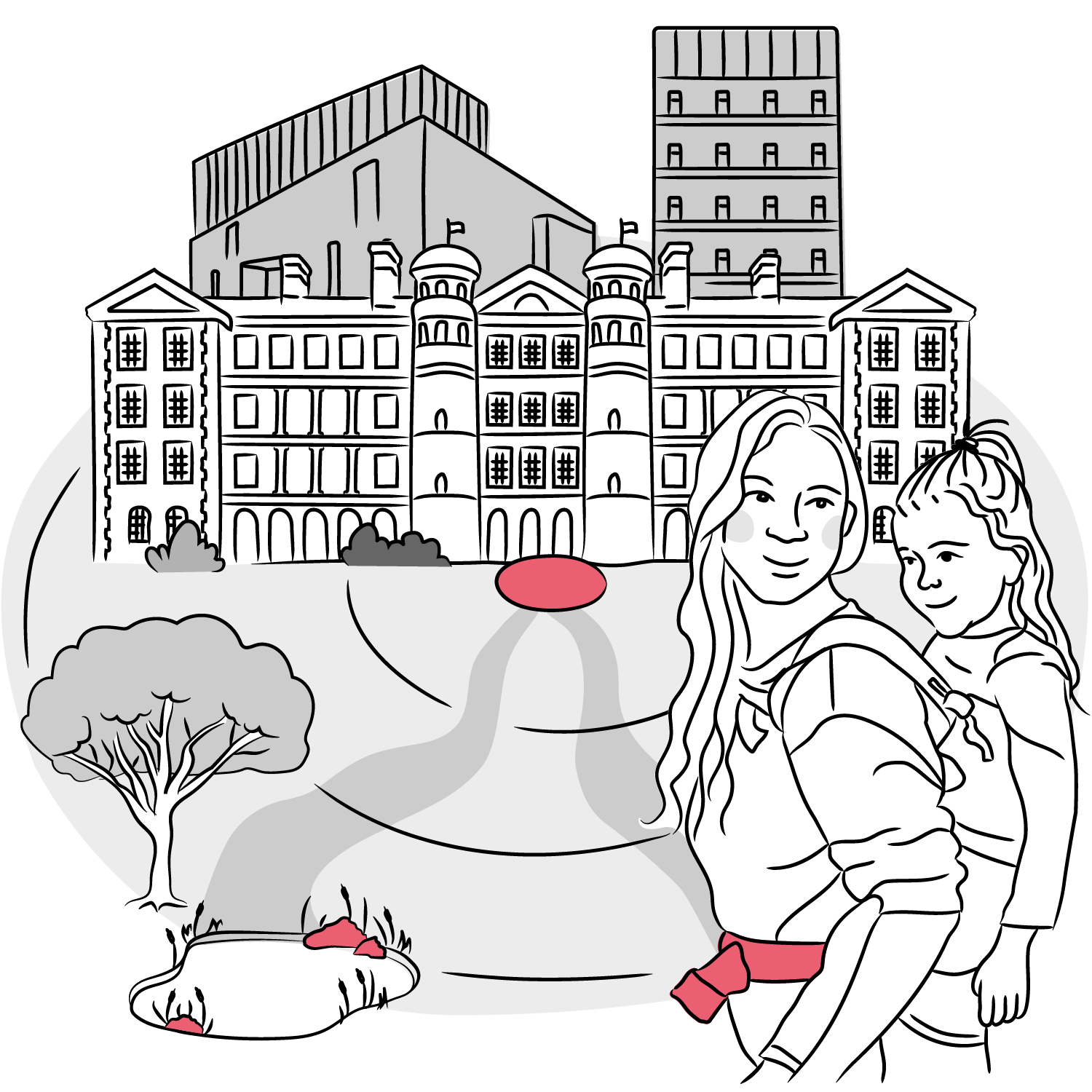
Place
The landscapes you traverse.
Purpose
Your North Star.
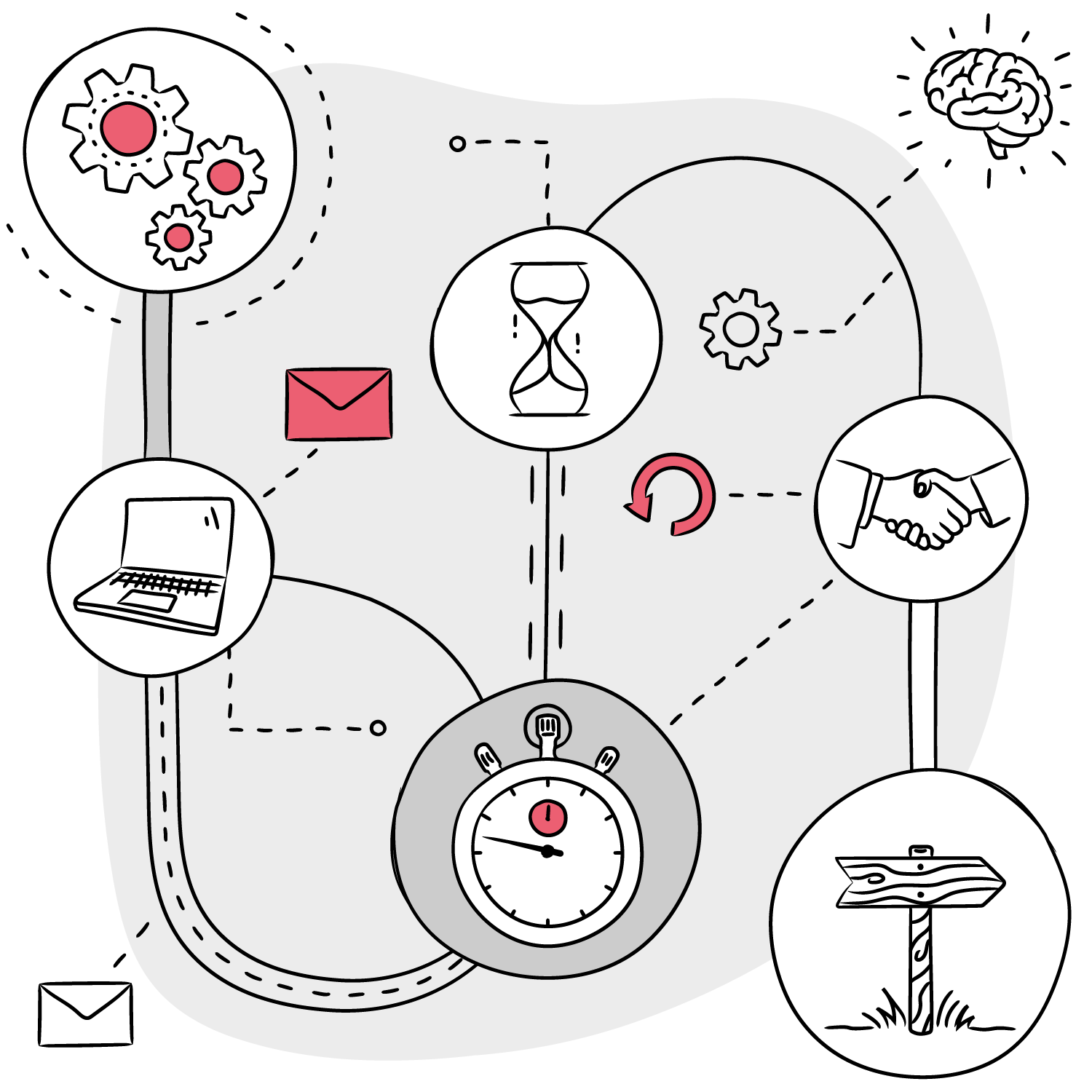
Process
The routes and rhythms.

Practice
The hands on equipment.

Policy
The navigational rules.

People
Your expedition crew.

Partnerships
The alliances you forge and strengthen along the trail.